
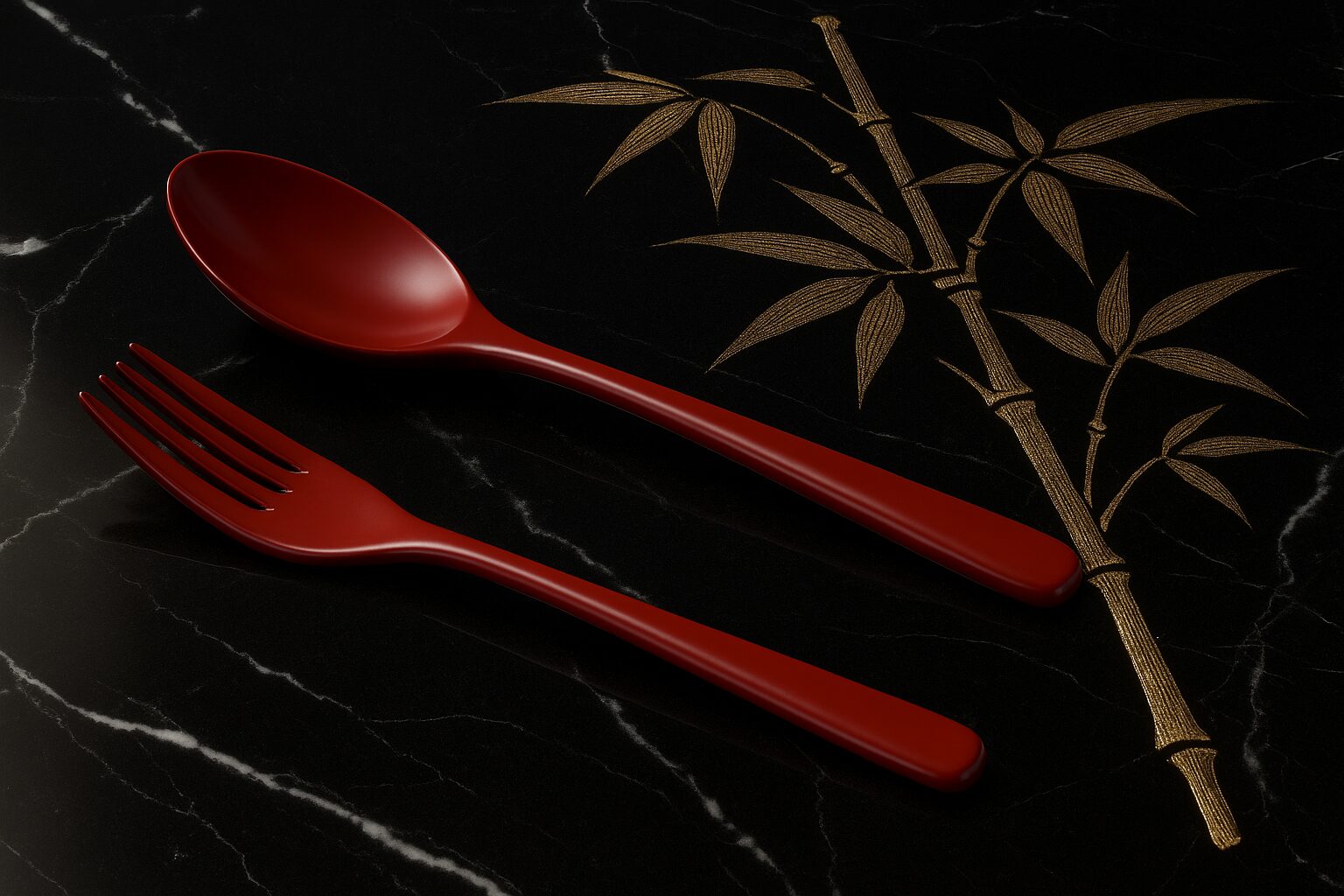
The Heritage of Japanese Lacquerware
Japanese lacquerware is more than a craft—it’s a tradition that embodies centuries of refinement, philosophy, and artistry.
A Brief History of Lacquerware
Lacquerware has been a part of Japanese life for over 9,000 years. Early artifacts from the Jomon period show the application of lacquer on wood, highlighting both functional and aesthetic purposes. As centuries passed, lacquer techniques became increasingly sophisticated, culminating in a unique art form deeply integrated into tea ceremonies, religious rituals, and aristocratic lifestyles. By the Edo period, lacquerware had become a symbol of taste and social status.
Famous Lacquerware Styles
Wajima-nuri – Ishikawa
Considered the pinnacle of Japanese lacquerware, Wajima-nuri is admired for its unparalleled durability and opulent beauty. Crafted with dozens of layers of lacquer, each piece is reinforced with powdered diatomaceous earth (jinoko) and painstakingly polished. The lavish use of gold dust (makie) and mother-of-pearl inlay make these pieces coveted heirlooms. Wajima-nuri is not only functional—it is art destined for collectors and connoisseurs who value legacy and excellence.
Echizen-nuri – Fukui
With a history spanning over 1,500 years, Echizen-nuri is known for its timeless elegance and understated sophistication. Originally created for use in imperial courts and Buddhist temples, these pieces emphasize flawless form and subtle finishes. The serene aesthetic of Echizen-nuri appeals to those with refined sensibilities who appreciate the quiet confidence of simplicity and restraint.
Aizu-nuri – Fukushima
Aizu-nuri blends rugged durability with exquisite decoration. Developed in a region rich in samurai culture, it features intricate gold and silver makie, as well as inlaid shells and lacquer painting. These works speak to the refined tastes of the warrior class and are ideal for collectors who admire both strength and grace in their possessions.
Yamanaka-nuri – Ishikawa
Renowned for its woodturning excellence, Yamanaka-nuri highlights the natural grain of the wood while offering a sleek, modern silhouette. The technique involves delicate carving and multiple layers of transparent lacquer to enhance texture and depth. Ideal for those who appreciate nature’s beauty and contemporary minimalism, Yamanaka-nuri merges innovation with tradition.
Other Lacquerware Regions of Japan
Beyond these four prestigious styles, Japan is home to numerous other lacquerware-producing regions, each with its own unique identity. Examples include Tsugaru-nuri from Aomori, known for its vibrant layered patterns, and Kiso-nuri from Nagano, valued for its rustic elegance. Exploring these lesser-known styles reveals the vast diversity and creativity of Japanese lacquer artistry.
A Legacy Worth Protecting
Japanese lacquerware is more than a luxury—it is a statement of cultural heritage. As global awareness grows, collectors have a unique opportunity to preserve these traditions while investing in exquisite, one-of-a-kind artworks that reflect centuries of Japanese artistry.
تراث أدوات الطلاء اليابانية
أدوات الطلاء اليابانية ليست مجرد حرفة، بل هي تقليد يجسد قرونًا من الفنون والفلسفة والجمال.
لمحة تاريخية
تُستخدم أدوات الطلاء في اليابان منذ أكثر من 9000 عام. تظهر الأدلة الأثرية من فترة جومون أن اليابانيين استخدموا الورنيش لتزيين الخشب وتحسين جودته. مع مرور الوقت، تطورت التقنيات لتصبح رمزًا للفن والرفاهية، خصوصًا في طقوس الشاي والمراسم الدينية والحياة الأرستقراطية. في فترة إيدو، أصبحت هذه الأدوات رمزًا للذوق الرفيع والمكانة الاجتماعية.
أنواع مشهورة
واجيما – محافظة إيشيكاوا
أرقى أدوات الطلاء اليابانية، تشتهر بقوة تحملها وجمالها الفاخر. يتم تطبيق طبقات متعددة من الورنيش مع تعزيزها بطين الجينوكو، وتزيينها بمسحوق الذهب وزخارف الأم اللؤلؤ. إنها قطع فنية تستحق أن تُورث عبر الأجيال وتُجمع من قبل عشاق الفنون الفاخرة.
إتشيزن – محافظة فوكوي
بأكثر من 1500 عام من التاريخ، تتميز إتشيزن ببساطتها وأناقتها. كانت تُستخدم في البلاط الإمبراطوري والمعابد البوذية، وهي مثالية لمن يفضل الجمال الهادئ والمتوازن.
آيزو – محافظة فوكوشيما
تجمع بين المتانة والزخرفة الدقيقة مثل الماكيه والصدف. نشأت في ثقافة الساموراي، وهي مناسبة لمن يقدر التقاليد والقوة والرقي في نفس الوقت.
ياماناكا – محافظة إيشيكاوا
تشتهر بتقنياتها في تدوير الخشب، مما يسمح بإبراز جمال الخشب الطبيعي. التصميم المعاصر مع استخدام الورنيش الشفاف يجعلها خيارًا مثاليًا لعشاق الحداثة والتقاليد معًا.
مناطق أخرى للورنيش الياباني
بالإضافة إلى هذه الأنواع الأربعة الشهيرة، هناك العديد من المناطق الأخرى في اليابان التي تنتج الورنيش، مثل تسوغارو في محافظة آوموري بألوانها المميزة، وكيزو في ناغانو التي تتميز بالبساطة والأناقة الريفية.
إرث يستحق الحماية
الورنيش الياباني ليس مجرد فن، بل هو جزء من هوية ثقافية. من خلال دعمه، نحافظ على هذا التراث الثمين للأجيال القادمة، ونوفر قطعًا فاخرة ذات قيمة مستدامة.